
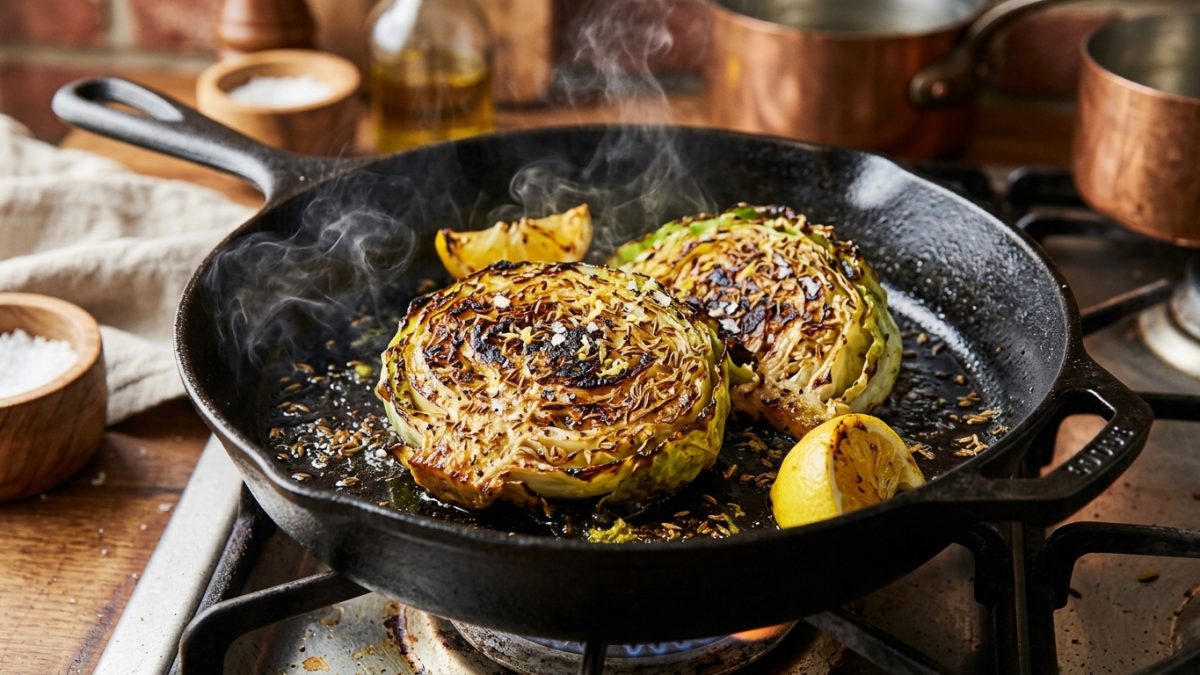
There is a reason why humble cabbage is experiencing a quiet renaissance across wellness forums and evidence-based nutrition circles. At barely $1.50 a head at your local supermarket, it is arguably the most cost-effective whole-food medicine in the plant kingdom—rich in natural L-glutamine, vitamin C, polyphenols, and sulfur-bearing glucosinolates that support hepatic detoxification.
Yet for countless people attempting to embrace gut-friendly eating, introducing raw shredded cabbage in salads or crunchy slaws results in immediate, agonizing distension: a tight, bloated stomach that feels like a balloon by 4 PM. This is the Brassica Paradox.
1. Why Raw Cabbage Rebels: The Raffinose & Sulfur Dilemma
The human gastrointestinal tract does not produce the enzyme alpha-galactosidase in the upper small intestine. This enzyme is required to break down raffinose—a complex trisaccharide found in abundance in raw cruciferous vegetables like green cabbage, kale, Brussels sprouts, and broccoli.
When you consume dense, raw cabbage leaves, raffinose passes undigested into the large intestine, where gas-producing microbes rapidly ferment it. If your mucosal motility is sluggish or your microbial diversity is unaccustomed to heavy oligosaccharide loads, the rapid production of carbon dioxide and hydrogen creates painful mechanical pressure against sensitive intestinal nerve endings.
| Preparation Method | Raffinose Content | Cell Wall State | Digestive Tolerability |
|---|---|---|---|
| Raw & Shredded | 100% Intact oligosaccharides | Rigid, fibrous cellulose matrix requiring heavy mechanical breakdown | High bloating risk; triggers distension in sensitive individuals |
| Blistered / Braised (15 Mins) | Hydrolyzed and softened by heat | Pectins relaxed; cellulose softened for gentle gastric passage | Gentle & soothing; preserves L-glutamine and glucosinolates |
| Light Fermentation (Quick Kraut) | Pre-digested by lactic acid bacteria | Cell walls naturally tenderized; generates live probiotic cultures | Optimal gut fuel; provides natural enzymes and organic acids |
2. The Healing Power of L-Glutamine and Vitamin U
Why go through the effort of preparing cabbage properly rather than avoiding it? Because when cooked gently, cabbage releases concentrated therapeutic nutrients that directly support mucosal tissue repair:
- Natural L-Glutamine: Cabbage juice and cooked cabbage are primary natural dietary sources of glutamine, the non-essential amino acid that serves as the essential nitrogen donor and primary fuel source for rapidly dividing enterocytes.
- S-Methylmethionine (Vitamin U): Discovered in early gastrointestinal research by Dr. Garnett Cheney at Stanford University, this sulfur compound accelerates gastric ulcer healing and protects mucous membranes from hyperacidity.
- Glucobrassicin: Cleaved by gentle chewing and cooking into indole-3-carbinol, which binds to aryl hydrocarbon receptors (AhR) in the gut to calm immune hyper-reactivity.
3. The 15-Minute Blistered Cabbage Skillet Recipe
To enjoy all the healing benefits of cabbage with zero afternoon bloating, leave raw slaws behind and try this gentle 15-minute skillet method:
- Slice half a head of green or Savoy cabbage into 1-inch thick ribbons.
- Warm 1 tablespoon of extra virgin olive oil in a cast-iron skillet over medium-high heat. Add half a teaspoon of ground cumin and a pinch of ground fennel seed (natural carminatives that relax smooth muscle).
- Add the cabbage ribbons and let them sear untouched for 4 minutes until golden blistered edges form.
- Add 3 tablespoons of vegetable broth or filtered water, immediately cover with a tight lid, and let steam for 5 minutes. The gentle steam hydrolyzes tough fibers while keeping the texture tender-crisp.
- Finish with a squeeze of fresh lemon juice and flaky sea salt. Serve alongside poached eggs, roasted lentils, or grilled salmon.

Leave a Reply