
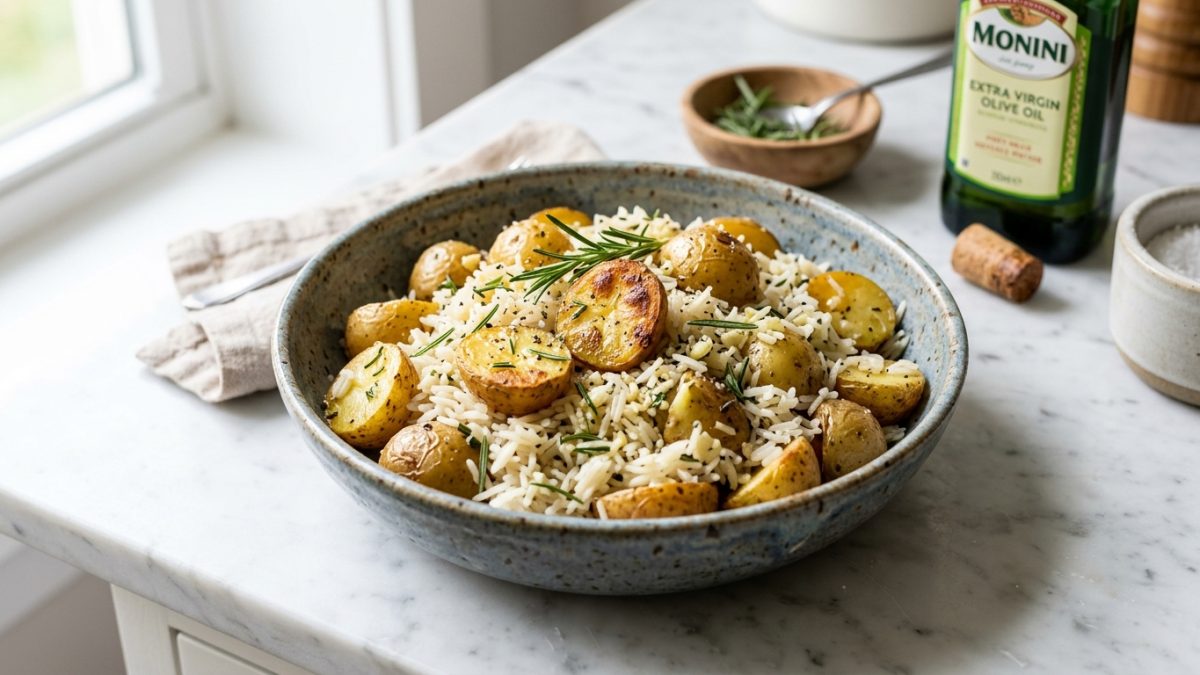
If you have ever felt trapped between craving wholesome comfort foods like roasted potatoes or steaming jasmine rice and fearing the sluggish brain fog of an afternoon blood sugar spike, there is reassuring news in nutritional biochemistry. The secret to enjoying staple carbohydrates with steady metabolic energy lies not in cutting them out, but in how their molecular structure is handled in the kitchen.
In our research across thousands of community discussions and gastroenterology clinics, one phrase surfaces constantly: “Every time I eat rice or potatoes, I feel completely drained 45 minutes later.” Most diet advice responds with severe carb restriction. Yet clinical science from the American Journal of Clinical Nutrition reveals an elegant, accessible alternative: starch retrogradation.
1. The Molecular Transformation: From Rapid Glucose to Prebiotic Fiber
When you boil or bake a starchy whole food, its tightly coiled amylose and amylopectin molecules absorb water, swell, and burst open—a process known as gelatinization. In this hot, open state, human digestive enzymes (salivary and pancreatic alpha-amylase) rapidly dismantle the starch chains into free glucose molecules, triggering a swift spike in serum insulin.
However, when that cooked starch is allowed to cool down—ideally in the refrigerator at 4°C (39°F) for 12 to 24 hours—a profound biochemical shift takes place. The straight-chain amylose polymers realign, crystallizing into tightly packed, hydrogen-bonded double helices. This new molecular configuration is known as Resistant Starch Type 3 (RS3).
| Starch State | Enzymatic Digestion | Metabolic Destination | Postprandial Glucose Impact |
|---|---|---|---|
| Freshly Cooked & Hot | Rapidly hydrolyzed in the upper small intestine within 20 minutes. | Absorbed into bloodstream as fast glucose; triggers insulin spike. | High glycemic excursion followed by reactive glucose drop. |
| Cooled (12–24 Hours) | Resistant to human amylase; travels undigested through small bowel. | Reaches the colon intact to feed beneficial Faecalibacterium. | Blunted glucose peak (35–40% reduction) and sustained satiety. |
| Gently Reheated | RS3 crystalline structures remain stable up to 130°C (265°F). | Dual benefit: warm culinary enjoyment with prebiotic gut delivery. | Maintains flattened glycemic curve and enhanced insulin sensitivity. |
2. The Butyrate Miracle: Healing the Colon Wall from Within
Because resistant starch bypasses absorption in your small intestine, it lands in the cecum and ascending colon as a feast for your gut microbiome. Specialized anaerobic bacteria—most notably Faecalibacterium prausnitzii and Roseburia—ferment this crystalline starch into Short-Chain Fatty Acids (SCFAs), predominantly butyrate.
Butyrate is not just another metabolic byproduct; it is the primary fuel source for your colonocytes (the cells lining your intestinal tract), supplying over 70% of their total energy requirements. By fueling these cells, butyrate strengthens epithelial tight junctions, downregulates mucosal inflammatory cytokines, and promotes a resilient mucosal barrier that shields against systemic low-grade inflammation.
“Resistant starch transforms humble kitchen staples from glycemic liabilities into prebiotic superfoods. Cooling cooked potatoes or rice does not make them less comforting—it makes them a profound daily investment in gut barrier integrity.”
— Clinical Nutrition & Microbiome Synthesis
3. The 3-Step Kitchen Protocol: How to Cook, Cool, and Reheat Properly
Incorporating resistant starch into your everyday cooking requires zero specialized gadgets and costs pennies:
- Batch Cook on Sunday: Boil whole baby yellow potatoes with their skins intact, or steam a batch of basmati or jasmine rice with a pinch of sea salt and a teaspoon of olive oil.
- The 12-Hour Cold Rest: Allow the food to cool to room temperature on a wide baking sheet (preventing trapped steam), then store in sealed glass airtight containers in your refrigerator overnight. Amylose retrogradation reaches its peak between 12 and 24 hours.
- Gently Reheat (Or Enjoy Cold): The beauty of RS3 is that gentle warming—in a skillet with a splash of olive oil, tossed into a warm broth, or lightly steamed—does not reverse the crystalline structure. You can enjoy a warm, satisfying dinner while retaining the full metabolic and prebiotic benefits.

Leave a Reply